Picture this: your ideal customer is scrolling their phone right now, searching for exactly what you sell. Are they finding you, or your competitor? That single question is why digital marketing has stopped being optional and become the backbone of business growth. Whether you run a regional enterprise, an emerging startup, or an established commercial brand, the companies winning today show up everywhere their audience looks—from Google search and social feeds to AI answer engines like ChatGPT and Gemini. Partnering with a skilled digital marketing agency in Chennai helps you engineer this exact level of omnipresence. Here is how modern digital marketing drives customer reach in 2026.
Why Digital Marketing Matters More Than Ever
Traditional advertising casts a wide, untargeted net and hopes someone bites. Digital marketing flips that model entirely by placing your brand directly in front of prospects who are actively seeking a solution, at the exact moment they are ready to purchase.
Broadcasts broad messages to passive consumers with high production overhead, delayed metrics, and zero personalization.
Delivers hyper-targeted messaging based on intent, verified behavioral data, real-time analytics, and direct two-way engagement.
By leveraging demographic, geographic, and psychographic intent filters, digital marketing eliminates wasted media spend. It ensures your marketing budget is invested solely into qualified prospects who match your buyer profiles.
SEO Puts You in Front of Ready-to-Buy Customers
Search Engine Optimization (SEO) positions your web properties at the top of organic search results when buyers search for your high-value commercial keywords. Organic search in 2026 is no longer about keyword stuffing; it revolves around topical authority, user search intent, and Google's E-E-A-T (Experience, Expertise, Authoritativeness, and Trustworthiness) standards.
- Intent-Driven Architecture: Structure your service and category pages around transaction-ready queries rather than broad informational terms.
- Topical Authority Clusters: Build deep content hubs that comprehensively cover a subject rather than relying on disconnected, one-off blog posts.
- Long-Tail Conversational Queries: Optimize for specific natural language phrases that buyers use right before they make an inquiry or purchase.
Generative Engine Optimization (GEO): The New Frontier
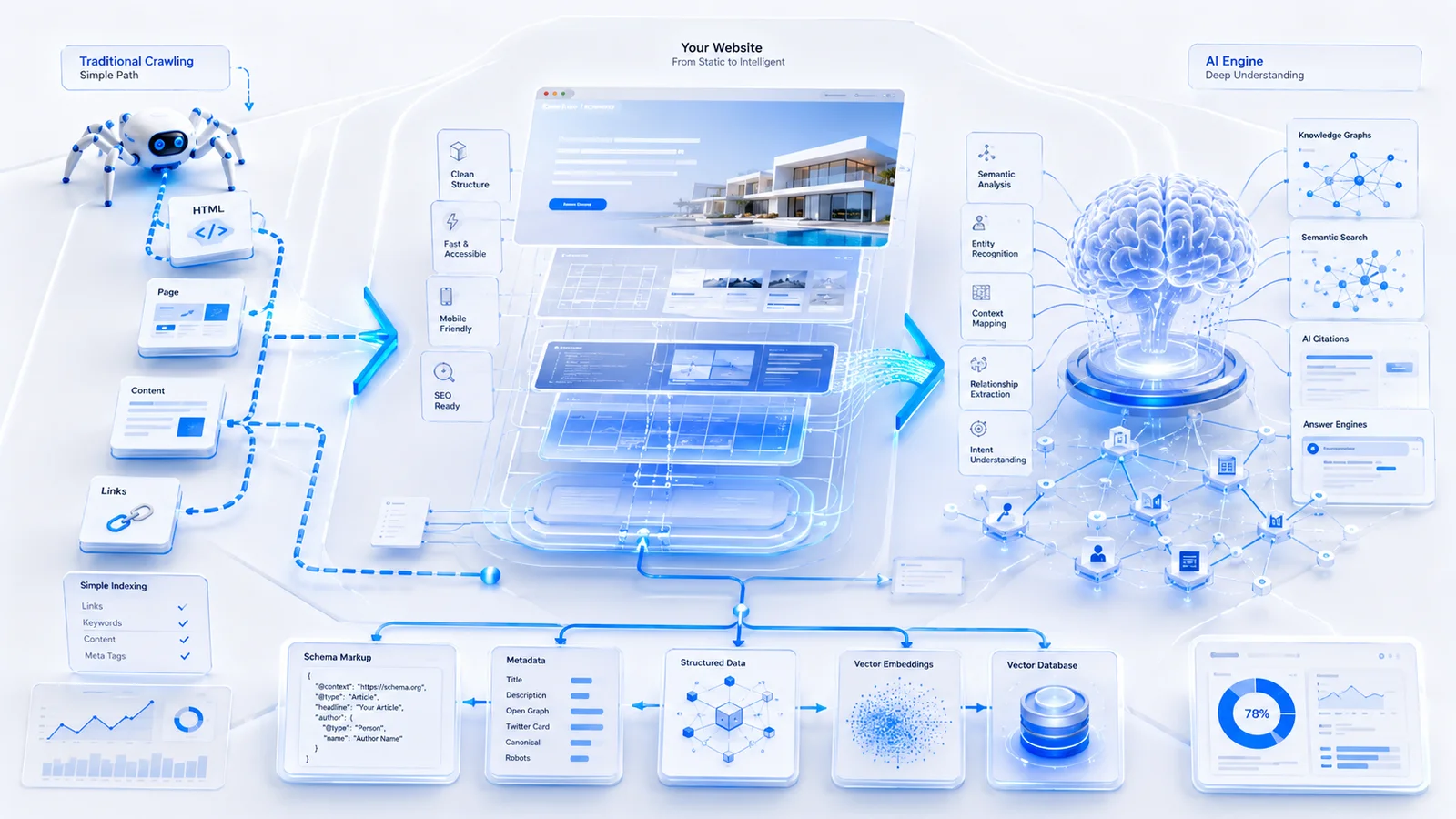
A transformative shift in search behavior has emerged: millions of users now ask conversational AI systems like ChatGPT, Google Gemini, and Perplexity for business vendor recommendations instead of typing into traditional search bars. This has created the discipline of Generative Engine Optimization (GEO)—the process of structuring content so large language models easily understand, synthesize, and cite your brand as an authoritative answer.
Generative Engine Optimization (GEO) optimizes your digital footprint with direct answers, clean schema, and verified data points so AI engines select and recommend your company in synthesized answers.
To win visibility in generative answers, publish definitive statistical data, provide concise answers in the opening sentences of sections, and maintain uniform entity citations across web directories. Brands that combine GEO with traditional SEO secure dual visibility across both ranked SERP links and AI summaries.
Social Media Marketing Builds Community and Trust
Social media channels have evolved into primary discovery engines. Audiences routinely evaluate brands, read reviews, and explore customer testimonials on Instagram, LinkedIn, and YouTube before ever visiting a corporate website.
A proactive social media marketing strategy builds recurring brand affinity through consistent thought leadership, behind-the-scenes production workflows, and customer user-generated content (UGC). Retargeting campaigns on Meta platforms also keep your business top of mind among warm prospects who previously visited your website.
Paid Advertising Delivers Instant Visibility
While SEO and organic authority build long-term compounding equity, PPC advertising provides on-demand visibility. Paid search ads on Google capture immediate high-intent queries, while Meta Ads generate demand by targeting lookalike audiences modeled on your existing customer list. Modern AI-assisted bidding strategies dynamically allocate budget toward ad variants and audience segments producing the highest return on ad spend (ROAS).
Content Marketing Turns Strangers into Customers
Strategic content marketing guides prospects systematically down the conversion funnel. High-value case studies, comparison guides, and technical explanations answer customer objections before the initial sales pitch. Furthermore, an authoritative long-form article can be repurposed across multiple formats—short-form video reels, carousel decks, and email newsletters—maximizing marketing reach without inflating editorial costs.
Data Analytics Helps You Reach the Right Customers
Every impression, click, session duration, and form fill offers actionable intelligence. By integrating Google Analytics 4, Tag Manager, and CRM pipelines, you eliminate guesswork. Performance data reveals exactly which campaigns generate closed revenue, allowing you to cut low-performing channels and double down on high-converting assets.
How to Build a Digital Marketing Strategy That Reaches More Customers
- Define Your Target Buyer Profile: Identify the exact problems, objections, and buying habits of your ideal customer before allocating campaign capital.
- Harmonize SEO and GEO: Optimize technical website architecture for search engine bots while phrasing content to get cited by generative AI engines.
- Deploy Multi-Touch Omnipresence: Maintain active touchpoints across search, social media, video, and email so your brand surrounds buyers at every step of their journey.
- Prioritize Genuine Industry Proof: Back up marketing claims with customer case studies, verifiable metrics, and authentic team expertise.
- Measure Conversion-Centric KPIs: Focus optimization efforts on cost per qualified lead (CPL) and customer acquisition cost (CAC) rather than surface-level impressions.
Conclusion
Digital marketing is not an isolated tactic—it is a coordinated ecosystem of SEO, GEO, paid media, social engagement, and content working together to establish omnipresence. The brands reaching more customers in 2026 are not simply outspending their rivals; they are showing up smarter, answering buyer intent faster, and establishing trust across both traditional search and AI discovery engines.
If you are ready to scale your market reach, capture high-intent leads, and turn digital attention into measurable revenue, partnering with a results-driven digital marketing agency in Chennai provides the expertise and execution required to lead your industry.
Ready to expand your reach and acquire more customers?
Get a comprehensive audit of your digital presence, search visibility, and multi-channel acquisition strategy.
Frequently Asked Questions
What is digital marketing and how does it help a business grow?
Digital marketing is the use of online channels like search engines, social media, email, and websites to promote products or services. It helps businesses grow by reaching a highly targeted audience, tracking results in real time, and adjusting strategies for maximum return on investment.
How does SEO help me reach more customers?
SEO improves your website's visibility on search engines like Google, so when potential customers search for products or services you offer, your business appears in the results, driving free, consistent, high-intent traffic to your site.
What is Generative Engine Optimization (GEO), and why does it matter now?
GEO is the practice of optimizing your content so AI tools like ChatGPT, Gemini, and AI Overviews can understand, trust, and cite your brand in their generated answers. As more people search through AI assistants instead of traditional search bars, GEO is becoming just as important as classic SEO.
Which digital marketing channel gives the fastest results?
Paid advertising such as PPC and social ads typically delivers the fastest visible results, often within days. SEO and content marketing take longer to build momentum but deliver more sustainable, long-term traffic and a lower cost-per-customer over time.
Is social media marketing still effective in 2026?
Yes, and increasingly so. Social platforms have evolved into discovery and shopping engines, especially for younger audiences who often research products directly on platforms like TikTok, Instagram, and Reddit before visiting a brand's website.
How do I know if my digital marketing strategy is working?
Track key metrics like website traffic, conversion rate, cost per acquisition, and engagement rate. Increasingly in 2026, also track visibility within AI-generated search answers, since traditional click-through metrics alone no longer tell the full story.